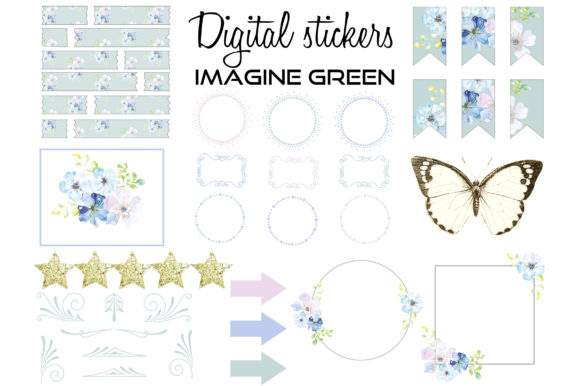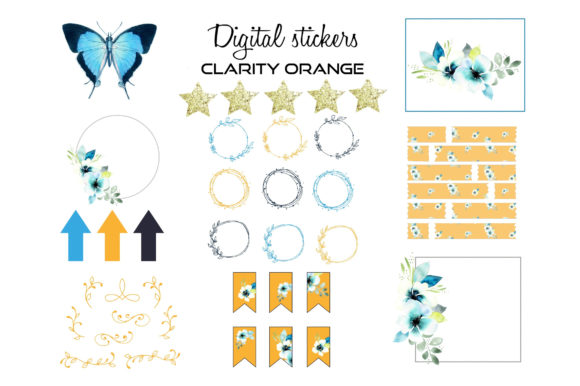
Enhance Your Designs with Floral Elements
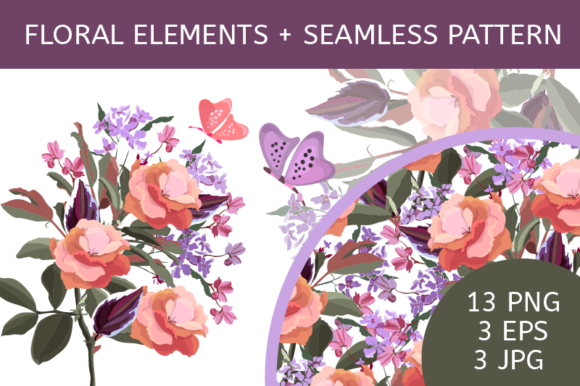
Imagine a design that not only captures the eye but also tells a story of elegance and nature. The Floral Elements Floral Pattern is a versatile and visually stunning asset that can transform your creative projects, from branding to digital marketing.
Why Floral Patterns Matter in Modern Design
In today's fast-paced world, where first impressions are crucial, the use of floral patterns can make a significant impact. These patterns add a touch of sophistication and natural beauty, making them perfect for enhancing brand identity and creating memorable designs. Whether you're working on a logo, a website, or a social media campaign, incorporating floral elements can elevate the overall aesthetic and appeal to a broader audience.
Practical Applications in Graphic Design
- Branding and Logo Design: Floral patterns can be used to create unique and memorable logos, especially for brands in the fashion, beauty, and lifestyle sectors.
- Marketing Materials: From brochures to flyers, adding a floral seamless pattern can make your print materials stand out and feel more premium.
- Social Media Graphics: Use these patterns to create engaging and visually appealing posts that align with your brand's visual identity.
- Website and UI Design: Incorporate floral seamless borders or backgrounds to add a touch of elegance and improve user engagement.
- Editorial Layouts: Enhance magazine and book designs with floral elements to create a cohesive and visually rich experience.
- Packaging Design: Floral patterns can make product packaging more attractive and appealing, helping to increase sales and brand recognition.
- Advertising Campaigns: Use these patterns to create eye-catching and memorable ads that resonate with your target audience.
- Presentations: Add a professional yet elegant touch to your presentations with floral seamless patterns and borders.
- Merchandise: Apply these designs to t-shirts, mugs, and other merchandise to offer high-quality, visually appealing products.
- Digital Products: Utilize the vector files for digital paper, banners, and other digital assets to provide a seamless and scalable design solution.
Selecting and Using Floral Elements Effectively
When choosing floral elements, consider the following tips to ensure they complement your design and meet your project's goals:
- Consistency: Maintain a consistent style and color palette across all your design elements to create a cohesive and professional look.
- Readability: Ensure that the floral patterns do not overpower the text or other important elements, maintaining a clear visual hierarchy.
- Scalability: Use vector files for scalability, allowing the patterns to be resized without losing quality, whether for large prints or small web graphics.
- Audience Expectations: Tailor the floral elements to your target audience's preferences and expectations, ensuring the design resonates with them.
- Design Goals: Align the use of floral patterns with your specific design objectives, whether it's to create a calming effect, add vibrancy, or enhance luxury.
- Compatibility: Ensure the floral elements are compatible with your existing brand system, including typography, color schemes, and overall aesthetic.
Contributing Factors to a Polished Design
Beyond the floral elements themselves, other visual components play a crucial role in achieving a polished and professional result. Typography, for instance, should be carefully selected to complement the floral patterns, ensuring readability and a harmonious visual flow. Color palettes should be chosen to enhance the natural beauty of the floral designs, while composition and imagery should work together to create a balanced and visually appealing layout.
Incorporating Floral Elements Floral Pattern into your design toolkit can significantly enhance the quality and impact of your creative projects. By thoughtfully selecting and using these elements, you can create designs that not only look beautiful but also effectively communicate your message and strengthen your brand identity.